
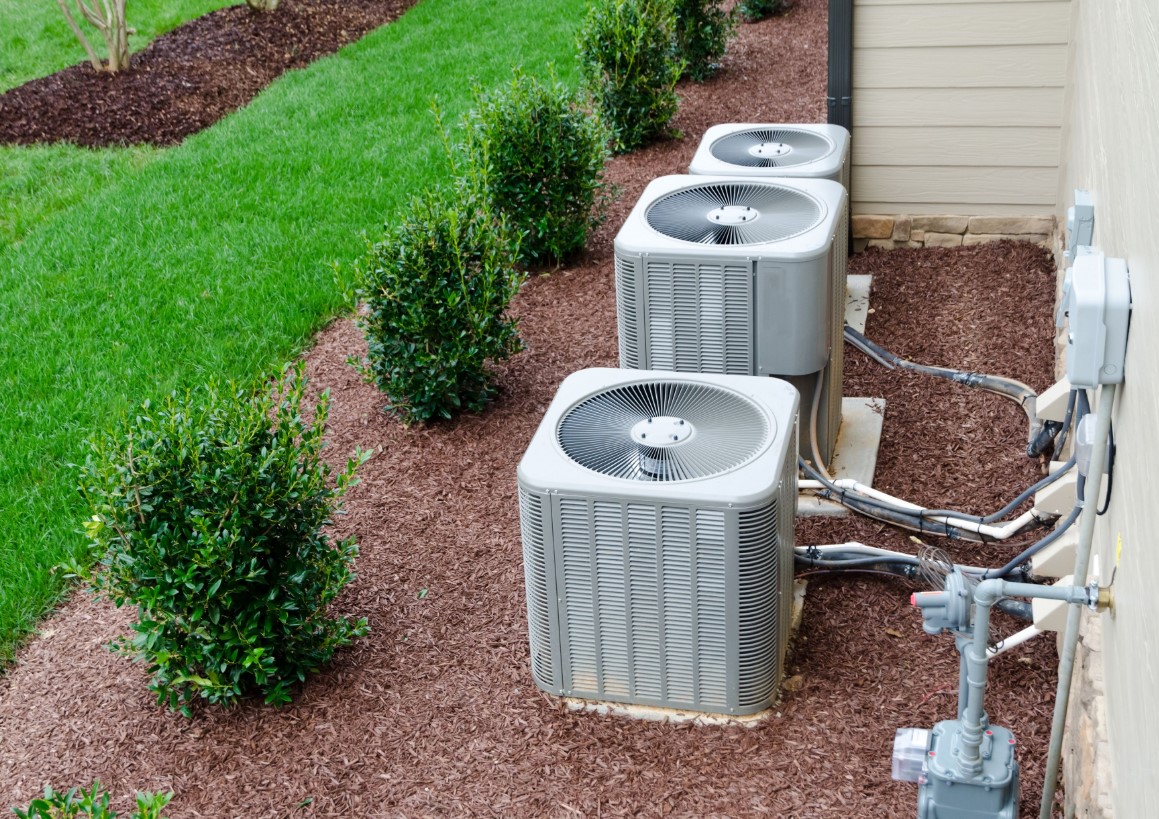
For some people life is as simple as it gets and most only think about the heating and cooling when the thermostat stops getting the desired results.
Like when you lower the temperature and hear the system start but one room stays warm and then you raise it during winter and the air comes from the vents but the whole house still feels cold.
And so that is usually when one simple question comes up like what is actually happening inside the system?
Well to tell you the truth your home HVAC system is not just one machine doing everything by itself.
In fact it is a group of parts that control the temperature and move air throughout the house and when one part slows down or stops working correctly then yeah the whole home can feel the difference.
So this guide explains the main HVAC system components in simple words so even you can understand what the thermostat controls and what the indoor unit, outdoor unit ducts, filter furnace and heat pump actually do.
It All Begins With The Thermostat That Starts The Whole Comfort Cycle
Yeah the thermostat is where every single heating or cooling cycle begins.
Like you just choose a temperature and the thermostat compares that setting with the temperature in the room.
And most modern thermostats and HVAC controls may also manage:
- Heating and cooling schedules
- Fan operation
- Different comfort zones
- Energy saving settings
- Smart home connections
So this thing right here is like the manager who controls and directs how your system behaves in different situations.
Then The Indoor Unit Changes The Whole Air That You Feel
When it comes to the indoor unit this is where all the air is pulled into the system and sent back through the home.
And depending on the type of system it may contain an air handler or furnace along with an evaporator coil and blower motor.
Where during cooling the evaporator coil removes heat and moisture from the indoor air and the blower then pushes that cooled air into the ducts and toward the rooms.
Plus during heating the furnace or heat pump warms the air before the same blower sends it through the house.
Also make sure to check this guide out from Carrier where they talk about the air handler in great detail.
After That The Outdoor Unit Just Carries All The Heat Away
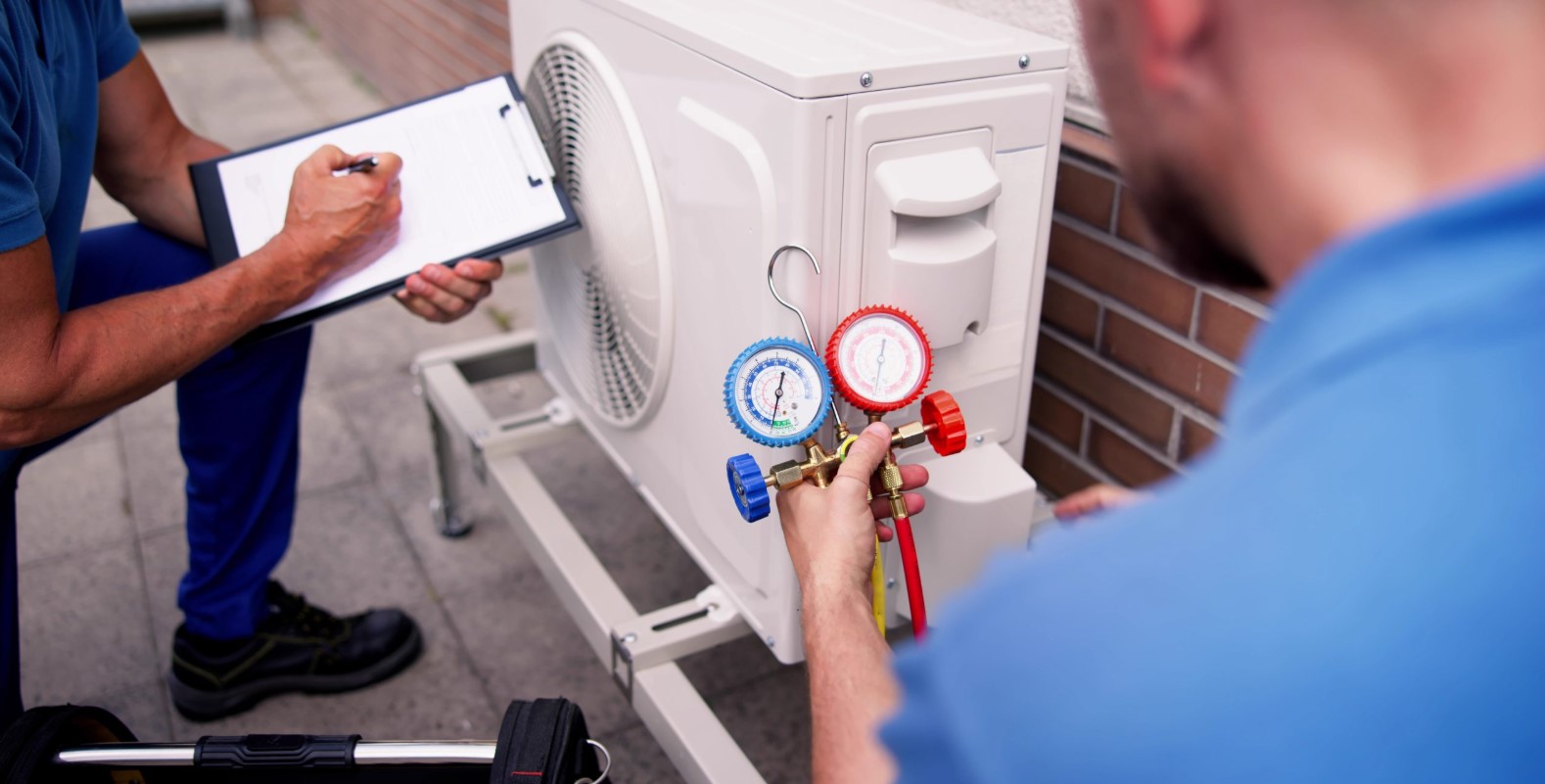
Moving on the outdoor unit is the large cabinet that normally sits beside the house.
Where during the cooling process it releases the heat that was removed from the indoor air.
The compressor then moves all the refrigerant between the indoor and outdoor sections while the outdoor fan helps release heat into the surrounding air.
Also if the outdoor unit is running but the home is not cooling then the problem may involve the coil fan, compressor or a refrigerant leak.
It’s Now Up To The Ducts That Decide Which Rooms Stay Comfortable And Which Don’t
Now the ducts are the delivery route for the air your equipment has already heated or cooled.
And so a really good HVAC ductwork and airflow allow every room to receive enough air without making the blower work harder than necessary.
While a loose connection, a crushed section or a blocked return can leave one room warmer or colder than the rest and you may also notice weak airflow or whistling sounds near certain vents.
That is why the ENERGY STAR heating and cooling guidance explains that the heating and cooling process plays a huge part when it comes to your very comfort.
The Heating Can Come From A Furnace OR A Heat Pump
Homes do not all create heat in the same way.
Because a furnace and air conditioner setup uses the air conditioner during summer and the furnace during winter.
Both systems usually share the thermostat blower and ductwork.
And so a heat pump system can provide both heating and cooling as during summer it moves heat outside while during colder weather it reverses the process and moves available heat into the home.
Also not to mention that some houses use a heat pump together with a gas furnace where the heat pump handles milder weather while the furnace takes over when the outdoor temperatures fall.
That is why the right setup depends on the size and layout of the home along with the existing ductwork and local climate.
When It Comes To The Filters They Really Do Protect The Airflow Before Anything Else
Lastly the as we come to the most vital part which is the air filter that sits in the return path before air reaches the main equipment.
And its job is to catch all the dust and other particles while still allowing enough air to move through the system.
Whereas a dirty filter can restrict airflow and force the blower to work harder and it may also cause longer heating or cooling cycles and leave certain rooms less comfortable.
So make sure that you check the filter during heavy heating and cooling months and replace it when it looks dirty and always use the correct size because a filter that is too restrictive can also reduce airflow even when it is new.
The Deal Is Simple And That Is Knowing The Basics Makes Every Single Call Way Easier
In the end if you know your HVAC system then it makes things a lot easier especially when things get a lot rougher.
And speaking of that a reliable HVAC service matters because long summer run times can place steady pressure on cooling equipment while sudden winter cold can expose weak heating parts.
That is why you need to contact Specialized Aire Systems for some of the best professional HVAC inspections, repairs and system guidance built around dependable comfort for your home.
Leave A Comment